
All-Weather Tires
All-season tires with the 3PMSF snow rating, for one set year-round in snow states.
Find all-weather tires for your car
We list the sizes your vehicle takes and send you straight to all-weather tires in those sizes. Cars with different front and rear sizes are shown as two separate buys.
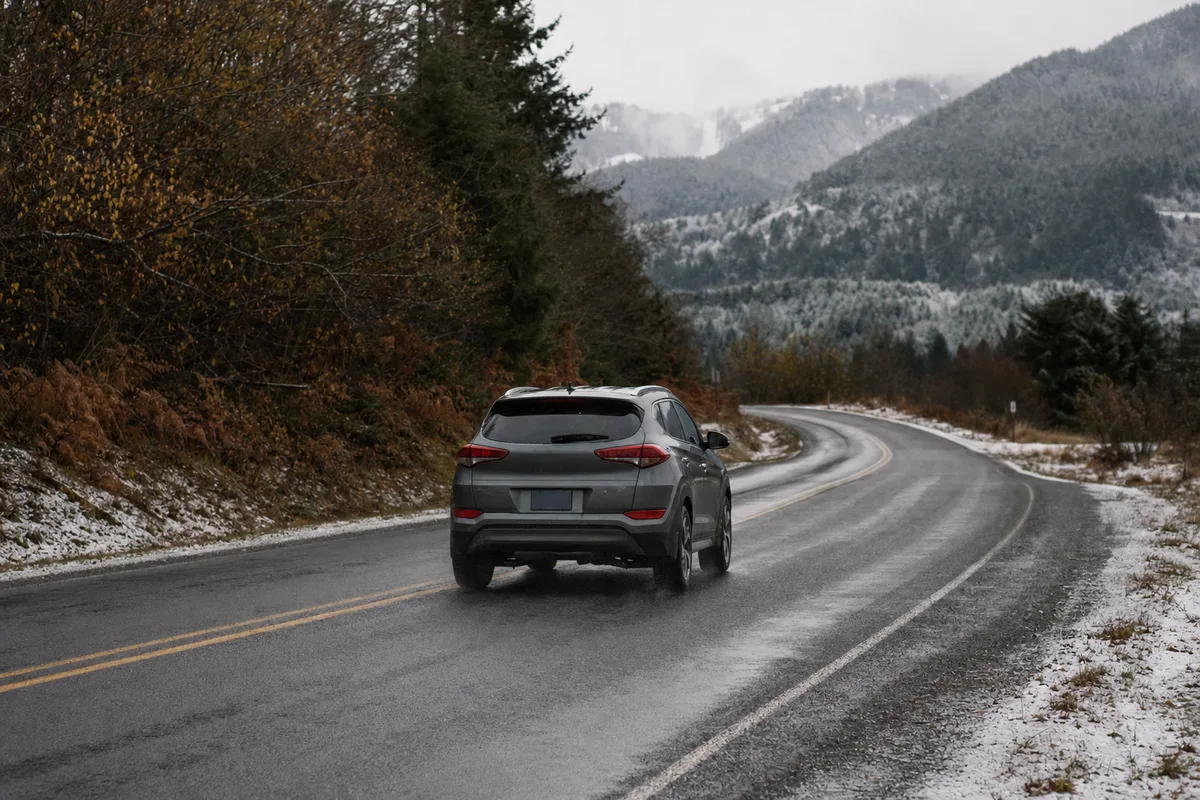
All-weather tires are a newer category that sits between all-season and winter tires. They carry the three-peak mountain snowflake (3PMSF) symbol, which means they passed a standardized snow traction test that ordinary all-seasons do not attempt, yet they use a compound that survives summer heat and lasts long enough to be a full-time tire. The Michelin CrossClimate2 and Goodyear Assurance WeatherReady 2 defined the category, and most major brands now offer one.
Who they are for
Who are they for? Drivers in the Northeast, Midwest, mountain West and Pacific Northwest who see real snow a handful of times a year but do not want the cost and hassle of a second set of winter tires. For a family crossover in Denver, Minneapolis or Boston, an all-weather tire is often the smartest single choice.
What to know before you buy
The honest trade-offs are tread life and cost. An all-weather tire typically carries a 60,000 to 70,000-mile warranty versus 80,000 for the best all-seasons, costs 10 to 20 percent more, and is not a substitute for a true winter tire on ice or in a mountain pass in January. When shopping, confirm the 3PMSF symbol is molded on the sidewall (some tires marketed as all-weather lack it in certain sizes), check the mileage warranty and make sure the speed rating matches your car's placard.
Prices run from about 80 dollars for a budget option to 250 dollars for premium sizes.
Buy this if
Drivers in snow-belt states who want one set of tires with proven snow traction and no seasonal swap.
- 3PMSF symbol means tested snow traction, not just an M+S stamp
- One set of tires year-round with no swap or storage
- Wet grip usually better than all-seasons thanks to softer compound
Skip it if
You live where it never snows, or you face ice and mountain winters where a dedicated winter tire is the only safe choice.
- Shorter tread life than the best all-season touring tires
- Costs more than an equivalent all-season
- Still not a match for a true winter tire on ice
Best all-weather tires right now


General AltiMAX 365AW
Continental-engineered all-weather with a 60,000-mile warranty at a fair price.

Firestone WeatherGrip
Bridgestone quality control and a 65,000-mile warranty for less than the parent brand.


Goodyear Assurance WeatherReady 2
Excellent snow and wet traction with a 65,000-mile warranty and frequent rebates.

Michelin CrossClimate2
The tire that defined the category, with dry and wet grip that rivals all-seasons.
Common sizes for all-weather tires
All-Weather Tires: common questions
What is the difference between all-season and all-weather tires?
All-weather tires carry the three-peak mountain snowflake symbol, meaning they passed a standardized snow traction test, and use a compound that stays flexible in cold. All-seasons only carry the M+S marking, which is based on tread shape. In practice, all-weather tires stop much shorter on snow but wear somewhat faster.
Can I use all-weather tires instead of winter tires?
For most drivers in the Midwest and Northeast, yes. All-weather tires handle typical snowfalls and slush well. If you routinely drive on ice, over mountain passes in winter or in places like northern Minnesota or Alaska, a dedicated winter tire still stops noticeably shorter and is worth the second set.
Do all-weather tires wear faster?
Somewhat. The softer, more siped compound that gives them snow grip typically trades away 10,000 to 20,000 miles of tread life compared with the best all-season touring tires. Most all-weather tires carry 60,000 to 70,000-mile warranties, which is still long by any measure.
Do all-weather tires satisfy chain laws and winter tire requirements?
In most states with traction laws, such as Colorado, Oregon and Washington, a tire with the 3PMSF symbol satisfies the winter-tire requirement when chain restrictions are at the lower levels. Check your state's rules, since the highest chain-law levels can require chains on every vehicle regardless of tire.