
Performance Tires
Ultra-high-performance all-seasons: sporty grip in wet and dry with light-snow ability.
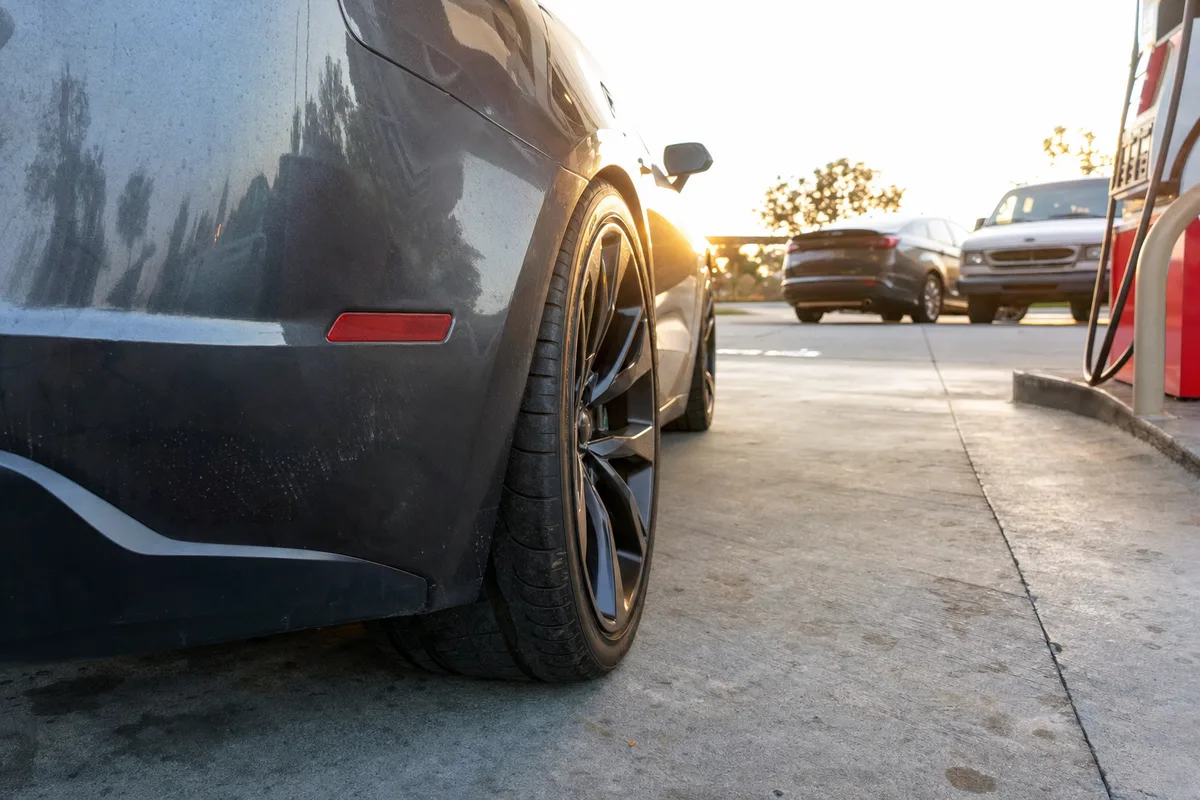
Performance all-season tires, usually labeled UHP all-season or high-performance all-season, are the middle ground between a summer tire and a touring all-season. They keep much of a summer tire's steering response and cornering grip but add siping and a compound that stays usable in cold and light snow. For a sports sedan, hot hatch or performance crossover driven year-round in a four-season climate, this is the category that makes sense.
The category has two sub-tiers. Ultra-high-performance all-seasons like the Continental ExtremeContact DWS06 Plus and Michelin Pilot Sport All Season 4 are close to summer tires in the dry and carry W or Y speed ratings. High-performance all-seasons like the Hankook Ventus V2 concept2 or Falken Ziex ZE960 are a step down in grip but longer-lived and cheaper, with H or V ratings.
The honest trade-offs: a performance all-season will not grip like a summer tire on a hot day, and it will not stop like a winter tire on snow. It wears faster than a touring all-season, with 40,000 to 60,000-mile warranties being typical, and it costs more. When shopping, look at the speed rating (V or above), the UTQG treadwear number (400 to 560 is common), and whether the tire carries the 3PMSF symbol, which a few in this class do. Prices run from about 80 dollars for a 17-inch budget tire to 300 dollars for premium 20-inch sizes.
Buy this if
Owners of sports sedans, hot hatches and performance crossovers who want year-round tires with real handling.
- Much sharper steering and cornering than touring all-seasons
- Usable in cold weather and light snow, unlike summer tires
- Available with mileage warranties, unlike most summer tires
Skip it if
You prioritize tread life and quiet over handling, or you live where a summer tire works all year.
- Less grip than a summer tire in warm weather
- Shorter tread life than touring tires
- Firmer ride and more noise
Best performance tires right now
Lexani LX-Twenty
The affordable option for cars on large aftermarket wheels; looks over grip.
Falken Ziex ZE960 A/S
Consistently rated as one of the best values in the class, with a 65,000-mile warranty.
Nitto Motivo
Sporty steering feel and a 60,000-mile warranty, popular with tuner-car owners.
Continental ExtremeContact DWS06 Plus
The long-standing reference for UHP all-seasons, especially in wet and light snow.
Michelin Pilot Sport All Season 4
Closest to summer-tire grip in the dry, with a 45,000-mile warranty.
Common sizes for performance tires
Performance Tires: common questions
What is the difference between a performance all-season and a summer tire?
A summer tire has a warm-weather compound and little siping for maximum grip, but becomes unsafe below about 40 degrees. A performance all-season adds siping and a cold-tolerant compound so it works year-round in most climates, at the cost of some dry grip and steering sharpness on hot days.
Are UHP all-season tires good in snow?
In light snow, better than a summer tire and roughly on par with a touring all-season. The ExtremeContact DWS06 Plus is known as one of the best in the class in snow. None of them match a winter or all-weather tire on packed snow or ice, so treat them as capable of getting home, not of a ski trip.
How long do performance all-season tires last?
Warranties range from 40,000 to 65,000 miles, and real-world results of 35,000 to 55,000 miles are typical. Wide, low-profile sizes on heavy or powerful cars wear faster. Rotation every 5,000 miles and correct alignment matter more than with touring tires.
Can I put performance tires on a regular sedan?
Yes, as long as the size and speed rating match your placard. You will notice sharper steering and shorter stops, but also a firmer ride, more noise and faster wear. For a Camry or Accord driven normally, a touring all-season is usually the better fit; for the sport trim driven enthusiastically, a performance tire is worth it.