
295/75R22.5 truck tires
Low profile, the long-haul standard. 471 listed by 8 brands, 384 in stock, from $331 per tire.
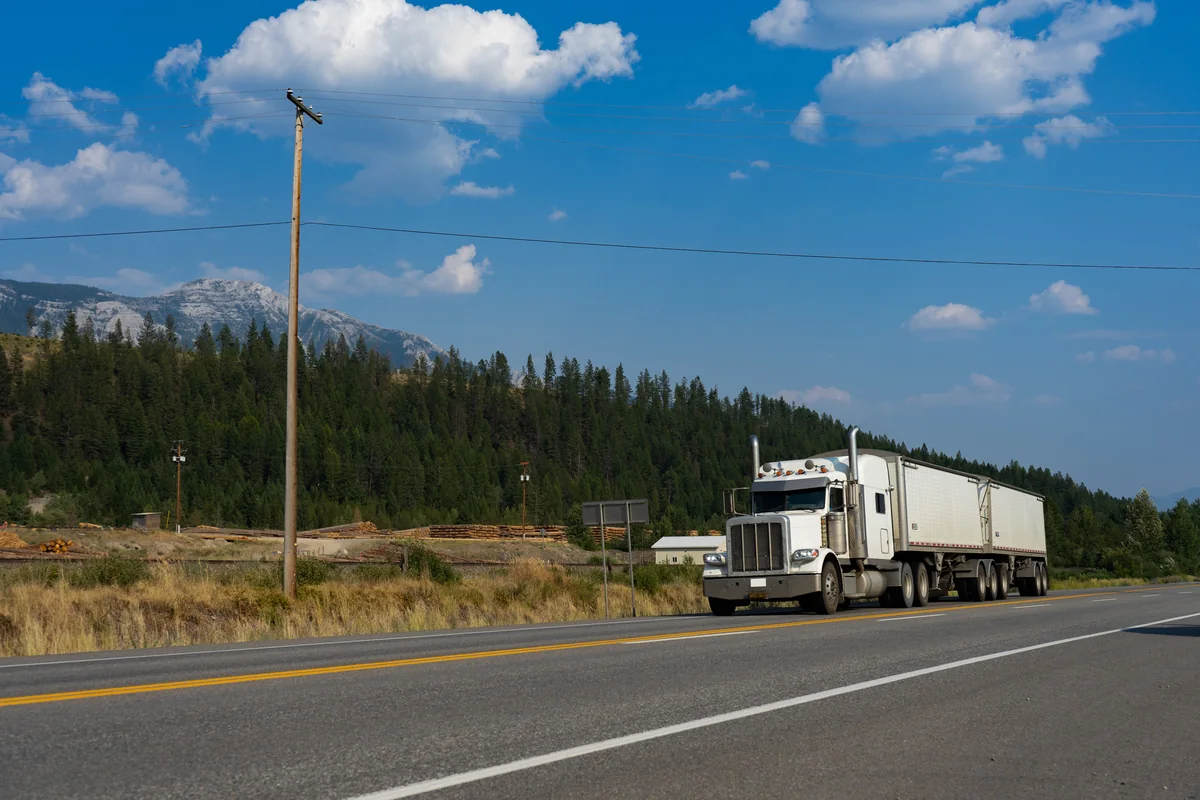
The low-profile alternative to 11R22.5 on the same 22.5 inch wheel. A shorter sidewall means a lower fifth wheel and a taller trailer box within the same legal height, plus slightly better fuel numbers, and that is why it is the size most new on-highway tractors are specified with.
What it costs
| Level | Per tire | Steer pair | Drive axle (4) | Tractor (10) |
|---|---|---|---|---|
| Budget | $372–$425 | $744–$850 | $1,488–$1,700 | $3,720–$4,250 |
| Mid-range | $429–$523 | $858–$1,046 | $1,716–$2,092 | $4,290–$5,230 |
| Premium | $545–$868 | $1,090–$1,736 | $2,180–$3,472 | $5,450–$8,680 |
Per tire, before mounting. The median 295/75R22.5 sells for $466.
Which positions this size comes in
Not every size is made for every axle. These are the positions 295/75R22.5 is actually sold in.
DrivePowered axles
The tires that put the engine's torque on the road, usually eight of them in dual pairs on two axles. Deep, blocky lug tread for traction, which is why they are noisier and wear faster than a steer tire. This is the position where a good retread saves real money.
SteerFront axle
The two tires that carry the front axle and do the steering. They wear evenly in ribs rather than blocks, run the highest load per tire on the rig, and are the one position where federal rules ask for more tread: 4/32 inch, against 2/32 for everything else. A steer tire is also the position nobody retreads on a tractor pulling on public roads.
TrailerFree-rolling axles
Free-rolling tires that neither steer nor drive, so they are built for scrub resistance and low rolling resistance rather than grip. They get dragged sideways every time the rig turns tight, and that is what kills them. Cheapest tire per mile of the three positions.
All-positionFits anywhere
A rib tread that is approved for any axle. Common on dump trucks, mixers, buses and anything that does not run enough miles to justify three separate tire programs. It is a compromise: less traction than a drive tire, shorter life than a dedicated trailer tire.
Where 295/75R22.5 runs
The usual low-profile spec on new on-highway tractors in the US: when a Freightliner Cascadia, Volvo VNL, Kenworth T680 or Peterbilt 579 is ordered on 22.5 inch wheels, this is the size it most often arrives on, and most 53-foot dry vans and reefers ride on it as well. Overall diameter is just under 40 inches with a section width around 11.7 inches, on an 8.25 or 9.00 inch rim. Against 11R22.5 on the same wheel it sits about an inch and a half lower, which means a lower fifth wheel, a taller box inside the same 13 foot 6 inch legal height, and slightly less rolling resistance.
Steer, drive and trailer in this size
Because it is the long-haul size, the catalogue splits cleanly by position. Steer tires are straight ribs built for even wear over a long first life; drive tires come as closed-shoulder patterns for fuel and open-shoulder lugs for traction; trailer tires are shallow, scrub-resistant and the cheapest per mile. Load range G at 144/141 is the norm, load range H at 146/143 for heavier steer and regional work. Most fuel-efficient lines in this size are EPA SmartWay verified, which California requires on 53-foot box trailers and the tractors pulling them. On the steer axle 49 CFR 393.75 demands at least 4/32 inch of tread and bans regrooved tires; everywhere else the floor is 2/32.
Before you order
Do not pair a 295/75R22.5 with an 11R22.5 in one dual set: the inch of difference in diameter puts the load on the taller tire. Matched duals should be within a quarter inch of each other in measured diameter, which is also the rule when you add one new tire to a used pair. Buy steer tires in pairs. The trailer position is where a sound retread earns its keep; the steer position is where a retread is illegal on a bus and not worth the risk on a truck.
Load index and speed rating
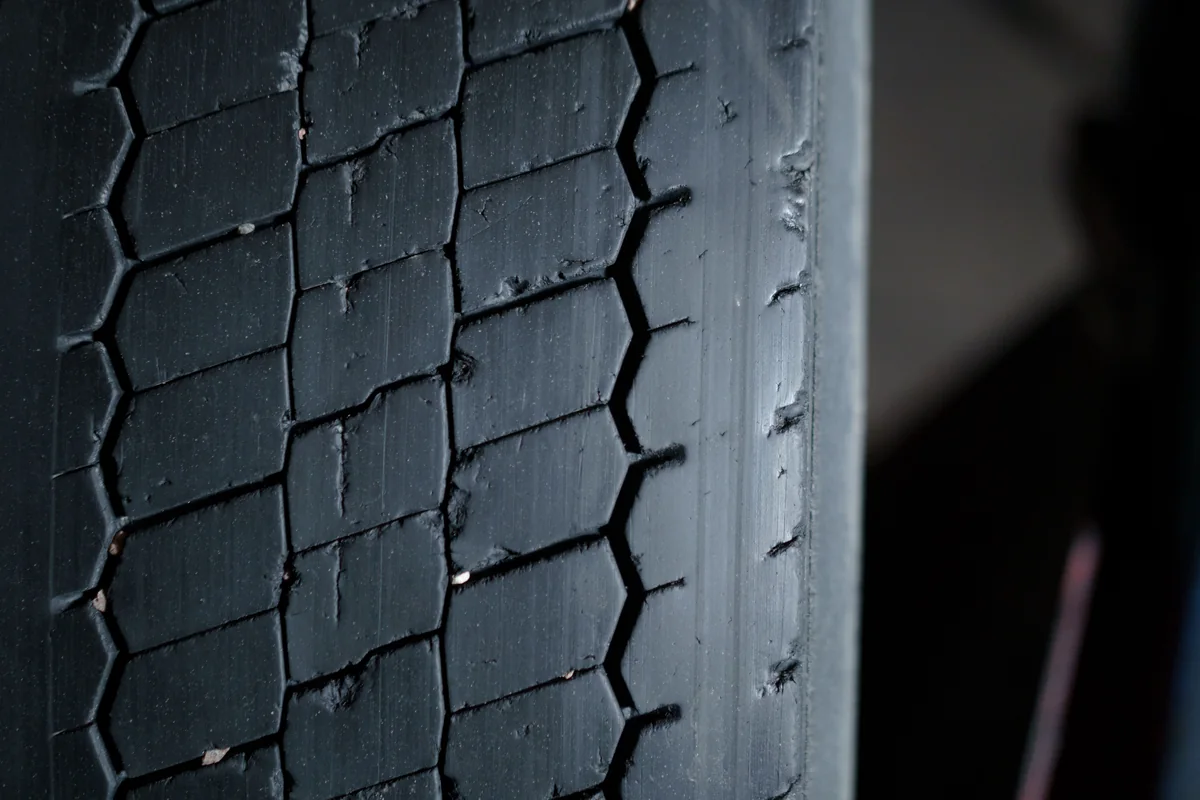
The most common markings on 295/75R22.5 are 144/141L, 146/143L and 144/141M. The pair of numbers is the load index single and dual: the first is what one tire carries on its own, the second what it carries as one of a dual pair, which is always the lower figure. The letter is the speed rating, and on commercial tires it is low by car standards on purpose.
Three 295/75R22.5 tires, cheapest to dearest
 Green Max GTH100 295/75R22.5 146/143L Commercial TiresFree-rolling axles$330.99
 Prinx PSL1 ET 295/75R22.5 149/146L Commercial TiresFront axle$465.96
 Goodyear Assurance RangeMax Winter 295/75R22.5 144/141L Commercial Tires$1,131.99
Prices at SimpleTire, read November 2026. One tire, before mounting.
Who makes it
The brands with the most 295/75R22.5 listings right now: Goodyear, Continental, Yokohama, Firestone, Advance, Roadmaster, Sailun and Blackhawk. On a commercial tire the casing is worth more than the tread, so a premium brand is not only paying for the first life; it is paying for two or three retreads afterwards.
The size people cross-shop against it
11R22.5 – Standard profile, the classic heavy truck size, median $495 against $466 here.
Wheel diameter has to match. A low-profile and a standard-profile tire on the same rim are interchangeable on the wheel but not in rolling circumference, so never mix them across a drive axle.